Western Pop Culture: Hollywood, Musik, dan Media yang Membentuk Dunia Modern
Dari dominasi Hollywood hingga revolusi streaming, bagaimana budaya pop Barat terus mempengaruhi dan beradaptasi dengan lanskap global yang berubah
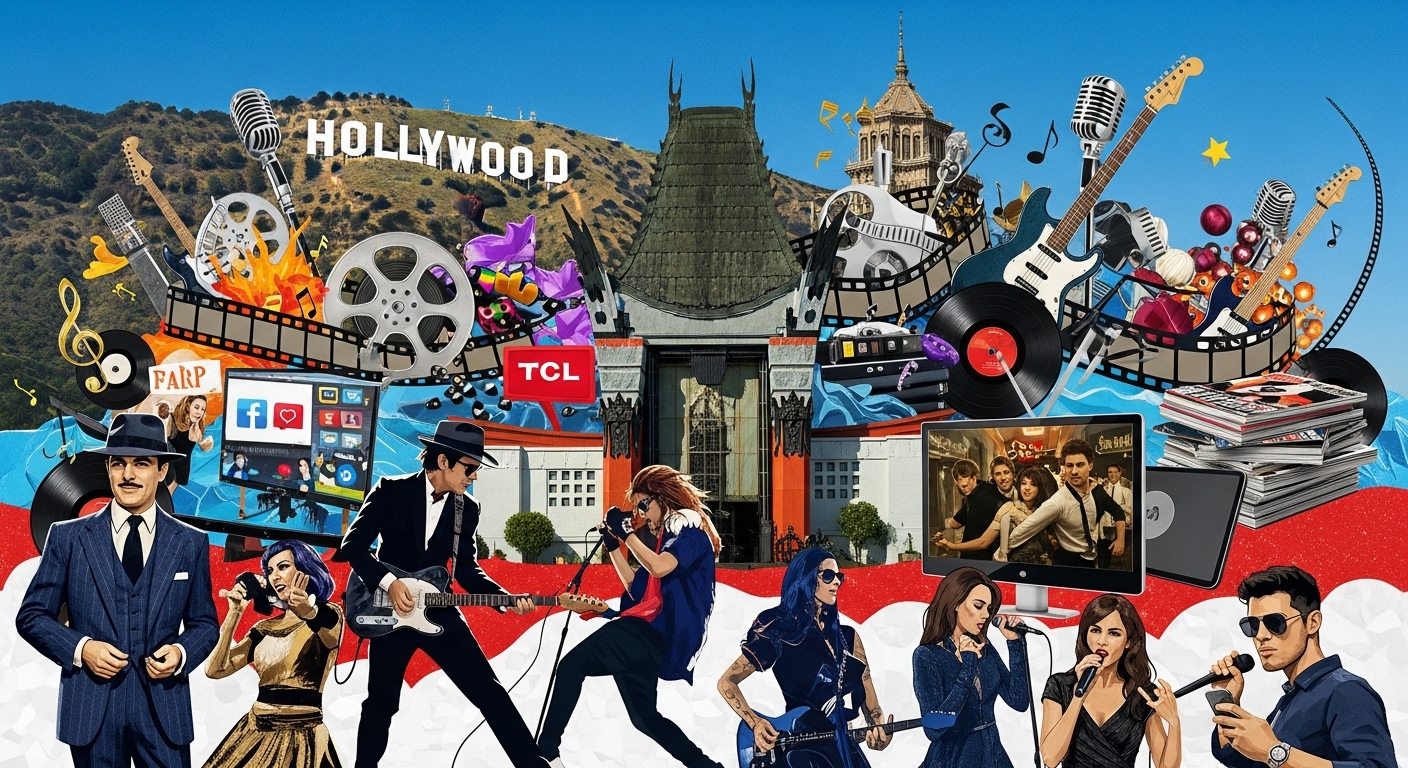
Ketika “Avengers: Endgame” dirilis pada April 2019, fenomena global terjadi. Film ini membuka dengan $1.2 miliar dalam opening weekend pertamanya - rekor yang belum pernah terjadi sebelumnya. Dalam beberapa minggu, menjadi highest-grossing film of all time (eventually surpassed by Avatar re-release). Tapi yang remarkable bukan hanya angka box office - ini adalah bagaimana film superhero Amerika simultaneously united audiences dari Beijing hingga São Paulo, Mumbai hingga London, dalam shared cultural moment.
Ini adalah testament terhadap continuing power dari Western pop culture, particularly American entertainment, untuk capture global imagination. Namun, cerita Western pop culture di abad ke-21 bukan simple story dari dominasi yang unchallenged. Ini adalah narrative dari adaptation, competition, dan evolusi dalam face dari rising cultural powerhouses seperti Korea dan Japan, fragmentasi media landscape, dan digital transformation yang fundamentally mengubah bagaimana content is produced, distributed, dan consumed.
Hollywood: Entertainment Capital of the World
Hollywood’s position sebagai epicenter dari global film industry adalah hasil dari lebih dari century dari innovation, business acumen, dan cultural production. Bagaimana small settlement dekat Los Angeles menjadi synonymous dengan movies itself?
Foundation dan Golden Age
Film industry originally concentrated di East Coast, particularly New York dan New Jersey, dimana Thomas Edison held patents untuk motion picture technology. Independent filmmakers moved west partly untuk escape Edison’s patent enforcement, finding dalam Southern California ideal conditions: consistent sunshine untuk natural lighting, diverse landscapes untuk varied locations, dan distance dari Edison’s lawyers.
By 1920s, Hollywood established as film industry center. Studio system emerged - major studios seperti MGM, Paramount, Warner Bros., 20th Century Fox, dan others not only produced films tapi owned theaters (until 1948 antitrust case forced divestiture). This vertical integration allowed studios untuk control dari production hingga distribution hingga exhibition.
“Golden Age” dari 1930s-1960s produced classics yang masih celebrated: “Gone with the Wind,” “Casablanca,” “The Wizard of Oz,” “Citizen Kane.” Star system created iconic figures - Humphrey Bogart, Marilyn Monroe, James Dean, Audrey Hepburn - whose images circulated globally. Hollywood films dominated international markets, establishing American cultural influence worldwide.
Blockbuster Era
1970s ushered new era dengan “Jaws” (1975) dan “Star Wars” (1977), often credited sebagai first modern blockbusters. These films demonstrated potential dari wide releases dengan massive marketing campaigns dan merchandising. Steven Spielberg dan George Lucas pioneered event cinema - films as experiences rather than just stories.
1980s dan 1990s solidified blockbuster model. High-concept films dengan merchandising potential became standard. Sequels, franchises, dan brands increasingly important. Special effects advanced dramatically - dari practical effects era hingga CGI revolution sparked by films seperti “Terminator 2: Judgment Day” dan “Jurassic Park.”
Disney’s acquisition strategy - buying Pixar (2006), Marvel (2009), Lucasfilm (2012), dan 21st Century Fox assets (2019) - created unprecedented entertainment conglomerate. Marvel Cinematic Universe (MCU) became most successful film franchise in history, dengan interconnected films spanning 15+ years dan generating over $28 billion in global box office.
Global Reach
Hollywood’s global dominance built on several factors:
Production Values: Hollywood budgets dwarf most international competitors. Typical MCU film costs $200-400 million to produce plus $100-200 million untuk marketing. This allows untuk spectacular visuals, top-tier talent, dan marketing saturation yang difficult untuk competitors to match.
Star Power: Hollywood creates dan maintains global stars. Actors seperti Tom Cruise, Dwayne “The Rock” Johnson, Scarlett Johansson dapat draw audiences worldwide based purely on their name recognition.
Distribution Networks: American studios established global distribution infrastructure over decades. They know how to market and distribute dalam every major market, navigate different regulatory environments, dan optimize release strategies.
Universal Themes: Hollywood excels di creating stories dengan broad appeal - good vs. evil, underdog triumphs, love conquers all. These narratives translate across cultures.
English Language: English as global lingua franca provides advantage. Even dengan dubbing atau subtitles, English content benefits dari larger potential audience who understand language.
Challenges dan Adaptation
Despite advantages, Hollywood faces significant challenges:
Streaming Disruption: Netflix, Amazon, Disney+, dan other streamers fundamentally changed distribution model. Traditional theatrical windows shortening atau disappearing. Pandemic accelerated shift ke streaming. Many films now premier directly on streaming platforms.
International Competition: Korean films dan series, Bollywood productions, European cinema, dan increasingly Chinese productions compete untuk audience attention. “Parasite’s” Oscar wins dan “Squid Game’s” Netflix success demonstrated non-English content can achieve mainstream Western success.
Market Fragmentation: Audience attention splintered across countless platforms dan content sources. Era dimana majority of population watched same TV shows atau rushed ke see same movie pada opening weekend largely over.
China Market Complexity: China adalah second-largest film market globally, essential untuk blockbuster success. However, Chinese government strictly controls foreign film imports (typically only 34 foreign films per year allowed), censors content, dan promotes domestic films. Hollywood increasingly considers Chinese market dalam production decisions - casting Chinese actors, setting scenes dalam China, avoiding topics sensitive untuk Chinese government.
Representation Pressures: Growing demands untuk diversity dan representation, both dalam front of camera dan behind scenes. #OscarsSoWhite, #MeToo movement, dan broader social justice conversations forced industry untuk confront historical exclusion dan bias.
Television: From Networks hingga Streaming Wars
Television’s evolution mirrors broader changes dalam Western media landscape. From three-network oligopoly hingga cable expansion hingga streaming abundance, TV transformed dari limited shared experience hingga personalized on-demand entertainment.
Network Era
Di 1950s-1980s, television dalam US dominated by three networks - NBC, CBS, ABC. Families gathered to watch scheduled programming. Shared cultural experiences - everyone watched “I Love Lucy,” “MAS*H” finale, atau “Cheers.” Advertisers paid premium untuk access ke massive captive audiences.
Shows were broad-appeal, designed untuk offend no one dan attract largest possible audience. Formulaic sitcoms dan procedural dramas dominated. Creative risks limited by need untuk maintain audience share.
Cable Revolution
Cable television expanded dalam 1980s-1990s, introducing specialized channels. HBO, premium cable network, pioneered prestige television dengan shows seperti “The Sopranos” (1999-2007), which demonstrated TV could rival cinema dalam quality. “The Wire,” “Six Feet Under,” “Deadwood” followed.
Basic cable networks also evolved. AMC transformed from classic movie channel ke producing acclaimed shows seperti “Mad Men” dan “Breaking Bad.” FX produced “The Shield,” “Justified,” “Fargo.” Even comedy channel Comedy Central created sophisticated animated series seperti “South Park.”
This “Second Golden Age” of television attracted film directors, writers, dan actors previously considered above TV work. Production values increased. Storytelling became more complex, with serialized narratives requiring viewer investment across seasons.
Streaming Era
Netflix’s pivot dari DVD rental ke streaming service (2007) initially seemed like convenient distribution method. But when Netflix began producing original content dengan “House of Cards” (2013), industry transformation began.
Netflix’s model - release entire seasons at once, algorithm-driven recommendations, global simultaneous release - challenged traditional TV economics. Binge-watching became cultural phenomenon. Water-cooler conversations about shows still happened tapi spread out over weeks as people watched at different paces.
Netflix’s success prompted competitors. Amazon Prime Video, Hulu, Disney+, HBO Max (now Max), Paramount+, Peacock, Apple TV+ - suddenly dozens of streaming services competing untuk subscribers. “Streaming wars” escalated dengan each service trying untuk differentiate through exclusive content.
This resulted dalam unprecedented content volume - “Peak TV.” Hundreds of original series produced annually. Quality varies wildly, tapi volume means more diverse content, experimental formats, niche appeals. Shows can succeed dengan devoted smaller audiences rather than needing mass appeal.
However, streaming economics increasingly questioned. Services spending billions on content while struggling dengan profitability. As growth slows, industry entering consolidation phase. Focus shifting dari subscriber growth at any cost hingga sustainable profitability.
Music Industry: From Records hingga Algorithms
Western popular music, particularly American dan British, dominated global music industry untuk decades. Rock ’n’ roll, pop, hip-hop, EDM - Western genres shaped global music tastes dan influenced musicians worldwide.
Evolution dari Format
Music industry evolved through technological changes. Vinyl records hingga cassette tapes hingga CDs hingga MP3s hingga streaming. Each transition disrupted business models dan raised questions about artistry vs. commerce.
Napster dan peer-to-peer file sharing dalam late 1990s devastated traditional music sales. CD sales collapsed. Industry struggled to adapt until iTunes (2003) provided legitimate digital music store. Apple’s success forced labels untuk embrace digital distribution, though at significantly lower margins.
Streaming Dominance
Spotify (2006 in Europe, 2011 in US) pioneered subscription streaming model. For monthly fee (atau with ads for free tier), listeners access millions of songs on-demand. Initially resisted by some artists dan labels, streaming now dominant revenue source for music industry, surpassing physical dan download sales.
However, streaming economics controversial. Artists receive fractions of cent per stream. Only biggest artists earn significant income from streaming alone. This led to debates about fair compensation, dengan some artists (Taylor Swift famously, temporarily) withdrawing catalogs dari platforms.
Genre Evolution
Western popular music continuously evolved:
Rock: From 1950s rock ’n’ roll (Elvis, Chuck Berry) through British Invasion (Beatles, Rolling Stones) ke various subgenres - punk, metal, grunge, alternative rock. Rock’s dominance faded dalam 21st century as hip-hop ascended.
Hip-Hop: From South Bronx origins dalam 1970s ke global cultural force. Hip-hop became not just music genre tapi entire cultural movement - fashion, language, attitude. Artists seperti Jay-Z, Kanye West, Drake achieved massive commercial success dan cultural influence. Hip-hop now most popular genre in US.
Pop: Ever-evolving, pop music adapts to trends while maintaining mass appeal. Michael Jackson, Madonna, Britney Spears, Lady Gaga, Taylor Swift, Beyoncé, Ariana Grande - pop superstars defined their eras.
Electronic/EDM: Electronic dance music evolved dari underground club scenes hingga massive festivals dengan DJs as headliners earning millions.
Global Crossovers
21st century seeing increased cross-pollination between Western dan non-Western music. Collaborations between Western artists dan K-pop stars increasingly common (BTS with Halsey, BLACKPINK with Selena Gomez and Lady Gaga). Latin music, particularly reggaeton dan Latin trap, exploded in mainstream with artists seperti Bad Bunny, J Balvin, dan crossover hits seperti “Despacito.”
Streaming platforms expose listeners globally to diverse music, breaking down geographical barriers. Playlist culture means songs dari anywhere dapat reach listeners anywhere. Nigerian Afrobeats, for example, finding growing Western audiences.
Social Media: Platform yang Membentuk Budaya
Western-created social media platforms - Facebook, Instagram, Twitter/X, TikTok (Chinese-owned tapi globally operated), YouTube - fundamentally changed bagaimana culture created dan consumed.
Democratization of Content Creation
Anyone dengan smartphone dapat create dan distribute content globally. This democratized cultural production - no longer need studio backing atau record label. YouTube made stars dari bedroom. Instagram influencers built audiences rivaling traditional celebrities. TikTok creators launched music careers.
Social media also changed celebrity-fan relationships. Direct communication replaced traditional media gatekeepers. However, this intimacy has downsides - constant availability, pressure untuk maintain personal brand, harassment dan abuse.
Viral Culture
Memes, viral videos, trending topics - culture moves faster than ever. Something obscure dapat explode overnight. “Old Town Road” by Lil Nas X started as meme on TikTok, became longest-running #1 song in Billboard history. Obscure songs from decades ago can suddenly trend because of TikTok use.
This virality unpredictable, creating hits unexpectedly while big-budget productions flop. Traditional marketing less reliable than organic viral growth.
Algorithmic Curation
Recommendation algorithms curate much of what people consume. YouTube suggests next video. Spotify creates personalized playlists. TikTok’s For You Page shows content algorithm thinks you’ll like. This personalization means fragmented shared culture - less common cultural touchstones as everyone consumes personalized content feeds.
Algorithms also controversial - accusations of promoting sensationalism, creating filter bubbles, amplifying misinformation. Platforms wield enormous power dalam shaping what billions see, raising questions about responsibility dan regulation.
Fashion: From Runways hingga Streetwear
Western fashion, particularly dari fashion capitals Paris, Milan, New York, London, long dominated global fashion discourse. However, fashion industry increasingly globalized dan democratized.
High Fashion vs. Fast Fashion
Traditional haute couture - exclusive, handmade luxury fashion - maintained prestige tapi limited commercial reach. Luxury conglomerates seperti LVMH dan Kering acquire heritage brands, commercializing while attempting to maintain prestige.
Fast fashion - brands seperti Zara, H&M, Forever 21 - revolutionized retail dengan quickly replicating runway trends at affordable prices. This democratized fashion access tapi raised concerns about labor practices, environmental impact, dan encouragement of disposable consumption.
Streetwear Revolution
Streetwear - casual fashion rooted dalam skateboard, hip-hop, dan youth cultures - became dominant force. Brands seperti Supreme, Off-White, dan collaborations between luxury brands dan streetwear labels (Louis Vuitton x Supreme) elevated street fashion ke high fashion status.
Sneaker culture exploded. Limited-edition sneaker releases creating secondary markets dengan shoes reselling for thousands. Collaborations between brands (Nike, Adidas) dan celebrities/designers driving hype.
Digital Fashion
Social media changed fashion dynamics. Instagram became virtual runway. Influencers rival traditional fashion magazines dalam setting trends. “Instagram-worthy” aesthetics influence design. Virtual fashion - clothing for digital avatars - emerging as new frontier.
Fashion increasingly global conversation. K-fashion, J-fashion influence trends. Diversity dalam representation growing, though still criticized as insufficient.
Future of Western Pop Culture
Western pop culture remains powerful force globally, tapi landscape fundamentally different dari 20th century dominance. Several trends shaping future:
Platform Power: Tech platforms (American-dominated untuk now) control distribution, potentially more important than content production. Control from pipelines rather than production.
Cultural Exchange: Rather than one-way export dari West, increasingly bidirectional exchange. Western creators incorporating global influences, collaborations transcending borders.
Niche Dominance: Rather than mass-market appeal, success dapat come dari devoted niche audiences. Streaming economics allow untuk specialized content that would never get greenlit dalam old broadcast model.
Hybrid Forms: Distinctions between “Western” dan “Eastern” pop culture blurring. Anime-influenced Western animation. K-pop incorporating Western production. Hollywood casting Asian leads dan telling Asian stories.
Sustainability Questions: Environmental concerns, ethical consumption, labor practices - younger consumers increasingly care about values behind entertainment dan fashion choices.
Western pop culture tidak disappearing - Hollywood masih produces majority of highest-grossing films globally, American music artists among most-streamed, Western brands dominant. However, monopoly on cultural influence eroding. Future likely multipolar - multiple cultural centers producing globally influential content, dengan West as major but not sole player.
Komentar