Japanese Pop Culture: Dari Anime hingga Kawaii, Pengaruh yang Melintasi Generasi
Eksplorasi mendalam tentang bagaimana Jepang menciptakan industri kreatif unik yang mempengaruhi budaya global selama puluhan tahun
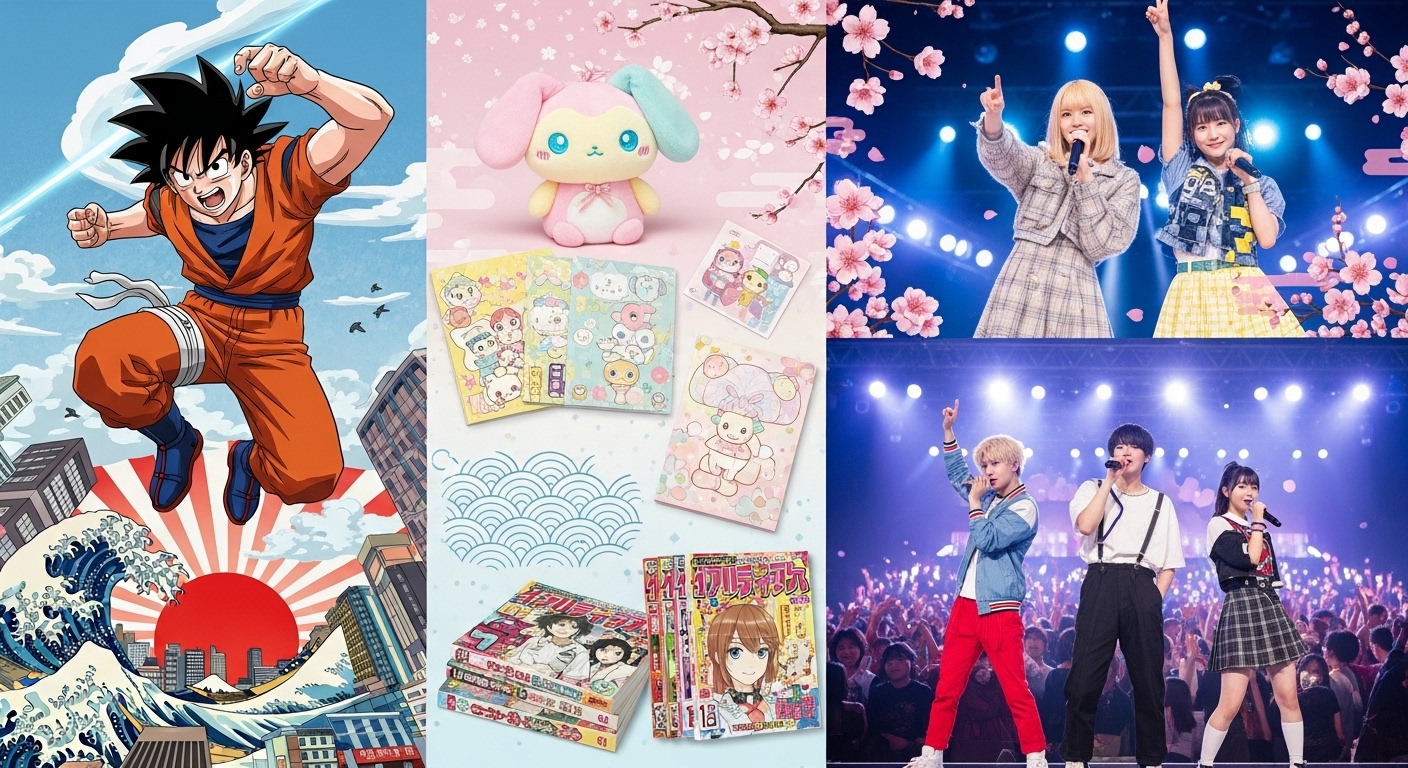
Di sebuah konvensi anime di Los Angeles, ribuan penggemar dari segala usia berkumpul, banyak mengenakan cosplay karakter favorit mereka dari serial anime. Di Tokyo, turis internasional mengantri berjam-jam untuk masuk ke Pokémon Center atau mencoba themed cafés yang terinspirasi dari anime populer. Di seluruh dunia, anak-anak dan dewasa memainkan game Nintendo Switch, menonton anime di Crunchyroll, dan membaca manga secara digital. Fenomena budaya pop Jepang - atau “Cool Japan” - telah menjadi bagian integral dari lanskap hiburan global.
Jepang telah lama menjadi eksportir budaya pop yang luar biasa berpengaruh. Dari anime dan manga yang telah membentuk childhood jutaan orang, hingga video game yang mendefinisikan industri, dari J-pop yang mempengaruhi musik Asia, hingga estetika kawaii yang mempengaruhi desain global - Jepang telah menciptakan soft power melalui kreativitas yang distinctive dan enduring.
Bagaimana negara kepulauan ini men create dan export budaya yang begitu distinctive dan influential? Dan mengapa Japanese pop culture continues to resonate dengan audiens global generation demi generation?
Anime: Medium yang Mendefinisikan Budaya Pop Jepang
Anime - Japanese animated productions - arguably merupakan cultural export Jepang yang paling visible dan influential. Tapi anime bukan hanya “Japanese cartoons.” Ini adalah medium storytelling yang sophisticated dengan aesthetic yang distinctive, thematic complexity, dan range genre yang luas.
Akar dan Evolusi
Anime modern memiliki roots di post-World War II Japan. Osamu Tezuka, sering disebut “Godfather of Manga” dan “Father of Anime,” revolutionized medium dengan karya seperti “Astro Boy” (Tetsuwan Atom) di 1960s. Tezuka, influenced oleh Disney animations, developed distinctive anime aesthetic: large expressive eyes, limited animation techniques yang maximized storytelling dengan budgets terbatas, dan cinematic techniques yang sophisticated.
1970s dan 1980s saw explosion dari anime production. Shows seperti “Mobile Suit Gundam,” “Space Battleship Yamato,” dan “Dragon Ball” established foundational genres dan tropes. Hayao Miyazaki dan Studio Ghibli elevated anime ke art form dengan films seperti “My Neighbor Totoro” (1988), “Princess Mononoke” (1997), dan “Spirited Away” (2001) - yang terakhir winning Academy Award untuk Best Animated Feature.
Global Breakthrough
Anime’s global reach expanded significantly di 1990s dan early 2000s. Series seperti “Sailor Moon,” “Dragon Ball Z,” “Pokémon,” “Naruto,” dan “One Piece” became phenomena beyond Japan. “Pokémon” particularly became multimedia juggernaut - anime series, video games, trading card game, movies, dan merchandise creating one of most valuable media franchises ever.
Key factor dalam anime’s global success adalah television broadcasts. Channels seperti Cartoon Network’s Toonami block di US introduced generation dari children ke anime, airing dubbed versions dari “Dragon Ball Z,” “Sailor Moon,” “Gundam Wing,” dan others. For many, ini was first exposure ke Japanese storytelling aesthetics dan narrative structures yang different dari Western cartoons.
Internet age transformed anime distribution dan fandom. Fansubs (fan-made subtitles) allowed international fans untuk watch latest episodes shortly after Japanese broadcast, creating global community yang discussed dan shared passion untuk anime in real-time. Streaming services seperti Crunchyroll dan Funimation (sekarang bagian dari Crunchyroll) formalized this, providing legal platforms untuk watch vast libraries dari anime dengan professional subtitles dan dubs.
Why Anime Resonates Globally
Beberapa factors contribute to anime’s enduring global appeal:
Diversity of Genres dan Themes: Unlike Western animation yang traditionally targeted children, anime spans full spectrum dari demographics dan genres. Ada anime untuk every age group dan interest - dari children’s shows seperti “Doraemon,” action shounen untuk teens seperti “My Hero Academia,” romantic comedy untuk young adults seperti “Kaguya-sama: Love is War,” psychological thrillers seperti “Death Note” dan “Monster,” slice-of-life comfort shows seperti “K-On!,” hingga mature works seperti “Berserk” atau “Vinland Saga.”
Ini means anime can address complex themes - mortality, identity, social critique, philosophical questions - dengan depth yang rarely found dalam Western cartoons. Series seperti “Neon Genesis Evangelion” explore depression dan existentialism. “Fullmetal Alchemist” examines consequences of war dan ethical implications dari playing god. “Attack on Titan” presents complex geopolitical allegories.
Visual Aesthetic: Anime’s distinctive visual style, dengan characteristic large eyes, colorful hair, exaggerated expressions, dan dynamic action sequences, creates immediately recognizable aesthetic. Yet within this, there’s huge variety - from realistic style dari “Monster” hingga whimsical watercolor feel dari “Mushishi,” dari hyper-detailed mecha designs hingga minimalist character designs.
Storytelling Structure: Many anime series, particularly shounen, follow long-form storytelling with character development over hundreds of episodes. Others use seasonal structure (12-13 episodes) untuk tell contained stories. This variety allows untuk different types of engagement - long investment dalam characters’ journeys atau bite-sized story arcs.
Emotional Honesty: Anime characters often display emotions openly, dan storytelling doesn’t shy away dari emotional moments. This sincerity, sometimes viewed as melodramatic by Western standards, resonates dengan many viewers who appreciate emotional authenticity.
Japanese Cultural Elements: Anime provides window into Japanese culture - from everyday school life hingga traditional festivals, from samurai honor codes hingga contemporary Tokyo. This cultural specificity, rather than being barrier, often enhances appeal, offering viewers glimpse into different culture.
Modern Anime: Streaming Era
Netflix, Amazon Prime Video, dan dedicated anime streamers like Crunchyroll telah invested heavily dalam anime. Netflix particularly aggressive, funding original anime productions dan acquiring exclusive rights untuk high-profile titles. Their “Netflix Original” anime productions ranging dari adaptations seperti “Castlevania” dan “The Witcher: Nightmare of the Wolf” hingga Japanese productions seperti “Devilman Crybaby” dan “Aggretsuko.”
Recent hits seperti “Demon Slayer: Kimetsu no Yaiba” demonstrate continued power dari anime. Film “Demon Slayer: Mugen Train” (2020) became highest-grossing film dalam Japanese box office history dan highest-grossing film worldwide di 2020 (pandemic year). Global box office menunjukkan bahwa anime films can compete dengan Hollywood blockbusters.
“Spy x Family,” “Jujutsu Kaisen,” “Chainsaw Man,” dan “My Hero Academia” are current phenomena dengan massive global followings. Crunchyroll’s subscriber base exceeds 10 million paid subscribers, demonstrating sustainable business model untuk anime streaming.
Manga: Foundation of Japanese Pop Culture
If anime adalah face dari Japanese pop culture, manga adalah its foundation. Manga - Japanese comics atau graphic novels - adalah cultural institution dalam Japan dan increasingly popular globally.
Manga Industry dalam Japan
Manga industry dalam Japan adalah enormous. Japan adalah largest comic book market di world, dengan industry revenue sekitar ¥600 billion annually. Japanese people across all ages read manga - businessmen commute reading manga magazines, housewives relax dengan romantic manga, children grow up dengan shounen dan shoujo manga.
Manga magazines seperti “Weekly Shounen Jump,” “Weekly Shounen Magazine,” dan “Ribon” have million-copy circulations. “Weekly Shounen Jump” at its peak di 1990s had circulation over 6 million copies per week. These magazines serialize dozens dari manga simultaneously, dengan popular series eventually collected dalam tankobon (volumes) untuk individual purchase.
Diversity dari manga genres adalah staggering:
- Shounen (boys): Action, adventure, often dengan friendship themes - “One Piece,” “Naruto,” “Dragon Ball”
- Shoujo (girls): Romance, relationships, emotions - “Sailor Moon,” “Fruits Basket,” “Ouran High School Host Club”
- Seinen (young adult men): More mature themes, complex plots - “Berserk,” “Vagabond,” “20th Century Boys”
- Josei (young adult women): Realistic romance, career women - “Nana,” “Paradise Kiss”
- Kodomo (children): Simple stories, educational - “Doraemon,” “Anpanman”
Beyond these, ada genres untuk everything: sports (baseball, basketball, volleyball), cooking, medicine, fishing, gambling, mahjong - literally any topic can be manga subject.
Global Manga Expansion
Manga’s global expansion follows different trajectory dari anime. Initially, manga was niche interest outside Japan, mainly among dedicated fans who imported Japanese volumes atau read fan translations. Official English translations were limited dan often heavily edited to fit Western sensibilities - famously, “Sailor Moon” manga was flipped horizontally untuk read left-to-right like Western comics.
This changed di late 1990s dan 2000s. Publishers seperti Viz Media, Tokyopop, dan Dark Horse began publishing manga dengan more faithful translations dan maintaining original right-to-left reading direction. “Manga boom” occurred di early 2000s dengan bookstore chains creating dedicated manga sections.
Digital revolution further democratized manga access. Platforms seperti Viz’s Shonen Jump app, Manga Plus, dan Crunchyroll Manga allow fans worldwide untuk read latest chapters simultaneously dengan Japanese release - often free atau dengan affordable subscription. This eliminated need untuk fan translations dan provided revenue untuk creators.
Recent years telah seen manga sales explode globally, particularly di US. “Demon Slayer” volumes dominated bestseller lists. Manga outselling traditional American comics dalam comic shops. Chain bookstores expanding manga sections. Libraries adding manga collections. This growth driven by anime adaptations introducing characters ke new audiences, digital accessibility, dan growing acceptance dari manga as legitimate literature.
Manga’s Influence Beyond Japan
Manga aesthetic dan storytelling techniques influenced creators worldwide. American comics increasingly show manga influence - dynamic panel layouts, emphasis on emotional expression, serialized storytelling. Webtoons dari Korea employ vertical scroll format tapi draw upon manga traditions. Chinese manhua similarly influenced. “Manga-inspired” works from non-Japanese creators (sometimes called “global manga” atau “amerimanga”) increasingly common.
Video Games: Nintendo and Gaming Dynasties
Jepang fundamentally shaped global gaming industry. From arcades hingga home consoles hingga handheld devices, Japanese companies pioneered innovations yang defined gaming.
Nintendo: Gaming Giant
Nintendo, founded di 1889 as playing card company, transformed into gaming powerhouse yang arguably paling influential company dalam gaming history. Under Hiroshi Yamauchi dan later Satoru Iwata’s leadership, Nintendo created iconic franchises dan revolutionary hardware.
Arcade Era: Di 1980s, Nintendo’s “Donkey Kong” (1981) introduced world ke character yang would become Mario, arguably most recognizable video game character ever. Shigeru Miyamoto, designer behind “Donkey Kong” dan later “Super Mario Bros.” dan “The Legend of Zelda,” became legendary figure whose games defined platforming genre.
Console Wars: Nintendo Entertainment System (NES/Famicom) revitalized North American video game market after 1983 crash. Games seperti “Super Mario Bros.,” “The Legend of Zelda,” dan “Metroid” established franchises yang still thriving 40 years later.
Super Nintendo Entertainment System (SNES) continued dominance dengan classics seperti “Super Mario World,” “The Legend of Zelda: A Link to the Past,” dan “Super Metroid.” Even when Nintendo faced competition dari Sony PlayStation dan Microsoft Xbox, company maintained strong position through innovative hardware (Wii’s motion controls, Switch’s hybrid console-portable design) dan strong first-party franchises.
Pokémon Phenomenon: Nintendo’s investment dalam “Pokémon” franchise (co-owned dengan Game Freak dan Creatures Inc.) created one of most valuable media franchises di history. “Pokémon” video games have sold over 480 million copies, dengan franchise generating over $100 billion dalam revenue. “Pokémon GO” (2016) demonstrated franchise’s continued relevance, becoming cultural phenomenon dan highest-grossing mobile game.
Other Gaming Powerhouses
Sony PlayStation: Sony disrupted gaming industry dengan original PlayStation (1994), targeting older demographics dengan CD-based games dan mature content. PlayStation brand established Sony as gaming leader, dengan franchises seperti “Final Fantasy,” “Gran Turismo,” dan “God of War.”
Sega: Before exiting hardware market, Sega created iconic character Sonic the Hedgehog dan memorable consoles seperti Genesis/Mega Drive. Sega remains influential game publisher.
Influential Franchises: Japanese game franchises shaped global gaming culture:
- Final Fantasy series pioneered JRPGs (Japanese Role-Playing Games)
- Dragon Quest remains beloved dalam Japan
- Dark Souls dan FromSoftware games created “Soulslike” genre
- Resident Evil defined survival horror
- Metal Gear Solid elevated video game storytelling
- Street Fighter dan Tekken dominated fighting games
- Monster Hunter became massive franchise particularly dalam Asia
J-Pop and J-Rock: Musical Exports
Japanese popular music, collectively known as J-Pop (dan subgenre J-Rock untuk rock music), adalah another dimension dari Japanese cultural exports. While K-pop achieved greater international mainstream success, J-Pop has long-standing dedicated international fanbase dan significant influence within Asia.
Development dan Characteristics
J-Pop emerged di 1990s, though roots trace back to 1960s Western-influenced popular music (called “kayokyoku”). J-Pop characterized by melodic hooks, variety of influences (from traditional enka hingga Western pop hingga electronic), dan close ties dengan visual media - anime themes, drama soundtracks, commercial jingles.
Idol Culture: Similar ke (dan predating) K-pop, Japan has elaborate idol system. Groups seperti AKB48, Nogizaka46, dan Johnny’s Entertainment acts (SMAP, Arashi, Hey! Say! JUMP) dominated Japanese market. These idols more localized compared dengan K-pop’s global ambitions, focusing primarily pada Japanese market. However, recent groups seperti JO1 dan Niziu show K-pop influence dalam production style.
Visual Kei: Visual Kei subgenre blends rock music dengan elaborate visual aesthetics - theatrical costumes, dramatic makeup, androgynous appearances. Bands seperti X Japan, Dir En Grey, dan THE GAZETTE exemplify this style. Visual Kei influenced global rock aesthetics dan has dedicated following worldwide.
Anime Themes: Many Japanese musicians gain international recognition through anime theme songs. Artists seperti LiSA (who performed “Demon Slayer” themes), YOASOBI, dan bands seperti Asian Kung-Fu Generation became known internationally primarily through anime associations.
International Presence
J-Pop’s international presence, while smaller than K-pop’s, remains significant. Anime conventions worldwide feature J-Pop performances. Artists seperti Utada Hikaru, Perfume, BABYMETAL, dan ONE OK ROCK have international tours dan collaborations dengan Western artists. BABYMETAL particularly stands out, creating unique fusion of idol pop dengan heavy metal, performing at major metal festivals globally.
Kawaii Culture: Aesthetic yang Mengubah Dunia
“Kawaii” (可愛い) - literally “cute” atau “adorable” - adalah Japanese aesthetic concept yang evolved into major cultural export. Kawaii culture encompasses everything dari Hello Kitty hingga Harajuku fashion hingga cafe culture.
Origins dan Evolution
Kawaii aesthetic emerged di 1970s, initially associated dengan handwriting style among teenage girls (using round, childish characters dengan small decorations). This evolved into broader cultural phenomenon celebrating cuteness, innocence, dan childlike qualities.
Sanrio, company behind Hello Kitty (created 1974), became major force dalam kawaii culture. Hello Kitty’s simple design, lack of mouth (allowing viewers untuk project emotions onto her), dan licensing across countless products made her one of most profitable characters ever created. Sanrio’s success inspired countless other cute characters.
Global Impact
Kawaii aesthetic influenced global design, particularly dalam:
Character Design: Round shapes, large eyes, simplified features became standard dalam cute character design worldwide. This aesthetic appears in everything dari corporate mascots hingga emoji hingga modern logo design.
Fashion: Harajuku street fashion, dengan subgenres seperti Lolita, Decora, dan Fairy Kei, influenced global alternative fashion. Kawaii fashion prioritizes expression over conventionality, mixing colors, patterns, dan accessories dengan playful abandon.
Technology dan UI Design: Japanese preference untuk cute interfaces influenced app design, stickers dalam messaging apps, dan overall approach ke digital aesthetics.
Lifestyle Products: From stationery (Japanese companies seperti San-X, Crux, dan Kamio produce elaborate cute stationery lines) hingga home goods hingga cafe culture (themed cafes dengan cute food presentations).
Gaming Culture: eSports and Content Creation
Modern Japanese gaming culture extends beyond traditional gaming. While South Korea dominates certain eSports sectors, Japan strong dalam fighting games, dengan tournaments seperti EVO showcasing Japanese players dominating games seperti “Street Fighter.”
VTubers (Virtual YouTubers) - streamers using anime avatars dengan motion capture - originated dalam Japan. Hololive, major VTuber agency, has members streaming dalam multiple languages ke global audiences. VTuber industry now worth billions, dengan top VTubers earning significant income dari streaming, merchandise, music, dan corporate sponsorships.
Cultural Dichotomy: Tradition Meets Innovation
What makes Japanese pop culture particularly interesting adalah how Japan balances preservation dari traditional culture dengan embrace dari cutting-edge innovation. Anime dan manga often incorporate traditional Japanese folklore, samurai ethics, atau Shinto beliefs alongside futuristic technology atau fantasy elements.
This synthesis creates unique flavor yang distinctly Japanese yet globally accessible. Shows seperti “Demon Slayer” blend Taisho-era aesthetics dengan modern animation. “Samurai Champloo” mixes Edo-period samurai dengan hip-hop culture. This ability untuk blend seeming opposites adalah hallmark dari Japanese creativity.
Challenges dan Future
Despite success, Japanese pop culture faces challenges:
Demographic Crisis: Japan’s aging population dan low birth rate affects workforce in creative industries. Anime industry particularly notorious untuk overwork dan low pay untuk animators.
Competition: Korea’s entertainment industry increasingly competitive, dengan higher budgets dan more aggressive international marketing. China’s growing creative industries also present future competition.
Digital Transformation: Japanese entertainment companies sometimes slow dalam adopting new digital distribution models compared dengan Silicon Valley atau Korean companies.
Content Moderation: Increasing global scrutiny regarding representation, particularly treatment dari female characters dan certain content that may be acceptable dalam Japanese context tapi controversial internationally.
Yet, Japanese pop culture continues demonstrating resilience dan innovation. “Demon Slayer’s” phenomenal success shows enduring power dari compelling stories. Video games seperti “Elden Ring” prove Japanese developers can still create global hits. Manga sales globally growing rapidly.
Japan’s soft power built over decades creates foundation yang berbeda dari Korea’s more recent Hallyu surge. Multiple generations worldwide grew up dengan Pokemon, Dragon Ball, Studio Ghibli films, Nintendo games. This generational connection creates lasting affinity dan nostalgia.
Japanese pop culture tidak just export products - ini export imagination. Children worldwide played Pokemon, teenagers worldwide discovered anime that spoke to their feelings, adults worldwide found sophisticated stories dalam manga dan games yang challenged their expectations. This cultural exchange, facilitated through creative media, telah made Japan tidak just producer of entertainment tapi shaper of global pop cultural consciousness.
From Tokyo’s vibrant Akihabara district dimana anime, manga, dan gaming cultures converge, to convention centers worldwide dimana fans gather dalam cosplay, to living rooms dimana families play Nintendo Switch together, Japanese pop culture remains integral part dari global cultural fabric. Its influence, built over decades dan across generations, suggests this adalah not temporary trend tapi lasting transformation of global entertainment landscape.
Komentar